Which patio chairs are easiest to move and store?
The easiest patio chairs to move and store are usually lightweight stackable chairs made from resin, with open backs, simple frames, and no loose cushions. For many patios, Nardi outdoor furniture fits that need well because resin seating is typically light, easy to wipe down, and made for outdoor use. The best choice depends on how often chairs are shifted, where they are stored, and how much comfort you expect from a seat that is easy to put away.
A chair can be comfortable and still be awkward. Wide arms, heavy frames, woven details, thick padding, and fixed cushions all add bulk. Chairs with a slim profile and a predictable stacking shape are usually easier to carry across a patio, load into storage, and line up neatly when not in use.
What makes a patio chair easy to handle?
Weight is the first thing most people notice, but it is not the whole answer. A very light chair can be hard to control in wind, while a heavier chair may feel steadier and still stack well. The best balance is a chair that one adult can lift without straining and move without catching on nearby furniture.
Shape matters just as much. Chairs with a straight stacking path are easier to nest than chairs with curved arms or uneven legs. Open backs reduce the surface that catches wind and make the chair simpler to grip. Smooth edges also help, especially when chairs are handled often or stored close together.
Resin material is a practical option for this kind of use. It does not have the same heavy feel as many metal or wood designs, and it can be cleaned with basic care. For poolside spaces, gardens, and busy dining areas, that combination is useful because chairs may be moved as the sun shifts or as the space changes from mealtimes to lounging.
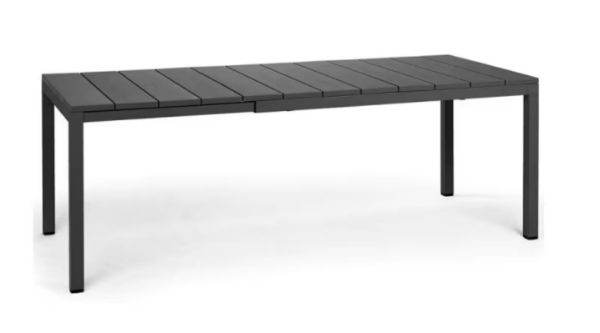
Stackable chairs come out ahead
Stackable chairs are the clearest answer if storage space is limited. They turn a group of seats into a compact column, which is far easier to manage than separate chairs pushed under a table. A stack also keeps the patio looking orderly, especially when the furniture is brought out only for gatherings.
The key detail is stack height. Some chairs look slim on their own but sit far apart when stacked because of the arms or back angle. Others are designed so the seat and back settle closely without scraping or sticking. If chairs will be stacked often, check that the legs seat cleanly and that the frames do not twist as one chair is lowered onto another.
Stacking also affects how long chairs look good. Chairs that scrape at every contact point may show scuffs over time. resin material tends to be forgiving here, but it still pays to stack gently rather than drop one chair onto the next. Keeping the stack dry before storage also reduces the chance of moisture being trapped between seats.
Folding chairs have a different kind of convenience
Folding seating can be a good fit when chairs need to disappear into a closet, shed, or garage. The folded shape is flat, which helps in narrow storage areas. The trade-off is setup time. Each chair needs to be opened, positioned, and checked before use, and the hinges or joints add parts that need attention over time.
Stackable resin chairs are usually quicker for everyday patio use. If the chairs stay outdoors for much of the season and are simply moved aside, stacking is simpler than folding. If they come out only for occasional events and must be stored in a small space, folding designs may be more convenient.
Another point is comfort. A folding chair can feel fine for a short meal but less supportive over a long evening. Seat contour, back angle, and chair dimensions all influence comfort more than the folding mechanism itself. It is worth comparing those details before choosing a chair based only on how small it folds.
Comfort and table height still matter
Easy storage should not turn into awkward dining. Chairs need to sit at a practical height against the table, with enough clearance for the arms to slide under when needed. table height is worth checking before buying seating for a patio set, especially if the table has a thick top, a pedestal base, or a raised rim.
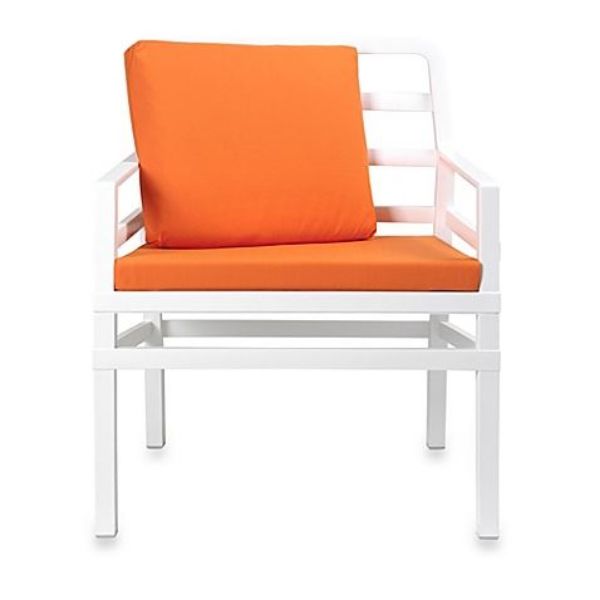
Armless chairs are often easier to tuck in and move around a dining table. They also tend to stack more neatly. Chairs with arms can feel more relaxed and easier to rise from, but they need more side clearance. In a compact patio layout, that difference can shape how comfortable the space feels.
seat comfort is another filter. Resin chairs can be shaped to support the back and curve slightly under the legs, but not every design feels the same. A chair that is easy to store but uncomfortable will spend most of its time in the stack. For longer meals, look for a balanced seat, a back with enough height, and a shape that does not feel cramped.
How to choose for your space
Start with the way the patio is used. A dining area that sees frequent meals needs chairs that can be pulled out, shifted, and put back with little fuss. A pool area may need seating that can be moved away from splashes or into shade. Commercial spaces often need chairs that can be reset quickly and stored without a complicated routine.
For a mixed-use patio, outdoor dining chairs with a simple resin frame are often a sensible middle ground. They are light enough to move, sturdy enough for regular seating, and easy to arrange when the table is used for more than one purpose. If cushions are added, choose ones that can be removed and stored separately, since loose cushions can undo the convenience of a stackable chair.
Think about the path chairs must take. A clear route from the table to storage matters more than a small difference in chair weight. Narrow gates, steps, planters, and outdoor rugs can make even a light chair feel awkward. Chairs with rounded fronts and manageable width tend to move more smoothly through tight spaces.
weather resistance also plays a part in storage choices. If chairs stay outside between uses, they should be able to handle sun, rain, and changes in temperature without becoming brittle or difficult to clean. If they are stored indoors each evening, the material still matters, but the routine becomes less demanding. A quick wipe and a dry stack are usually easier than managing covers, straps, or bulky cushion storage.
A practical way to narrow the choice
When comparing chairs, focus on the details that affect daily movement:

- Overall weight and whether the chair can be carried comfortably.
- How closely the chairs stack and whether the arms block nesting.
- chair dimensions, including width, depth, and seat height.
- Whether the surface is smooth, easy to wipe, and free of fussy crevices.
- How the chair feels at the table and how easily it can be pulled out.
These points separate chairs that merely look compact from chairs that are actually easy to live with. A resin chair with a clean silhouette may not have the visual weight of wood or metal, but it can make a patio far more flexible. That is often what matters when seating is moved for meals, cleaning, gatherings, or seasonal storage.
The simplest choice for most patios is a stackable resin chair with no fixed cushions, a supportive back, and a shape that suits the table. It can be carried with one hand, stacked in a small area, and brought back out without a long setup. If the space is very tight, compare folded storage only after checking that the chair remains comfortable and stable in daily use.
outdoor dining chairs do not need to be complicated to work well. The right design makes the room feel ready when needed and tidy when it is not, with less effort each time the patio changes use.